
Breaking new ground: how the Earth Rover Program helps farmers feed the world and fight the climate crisis
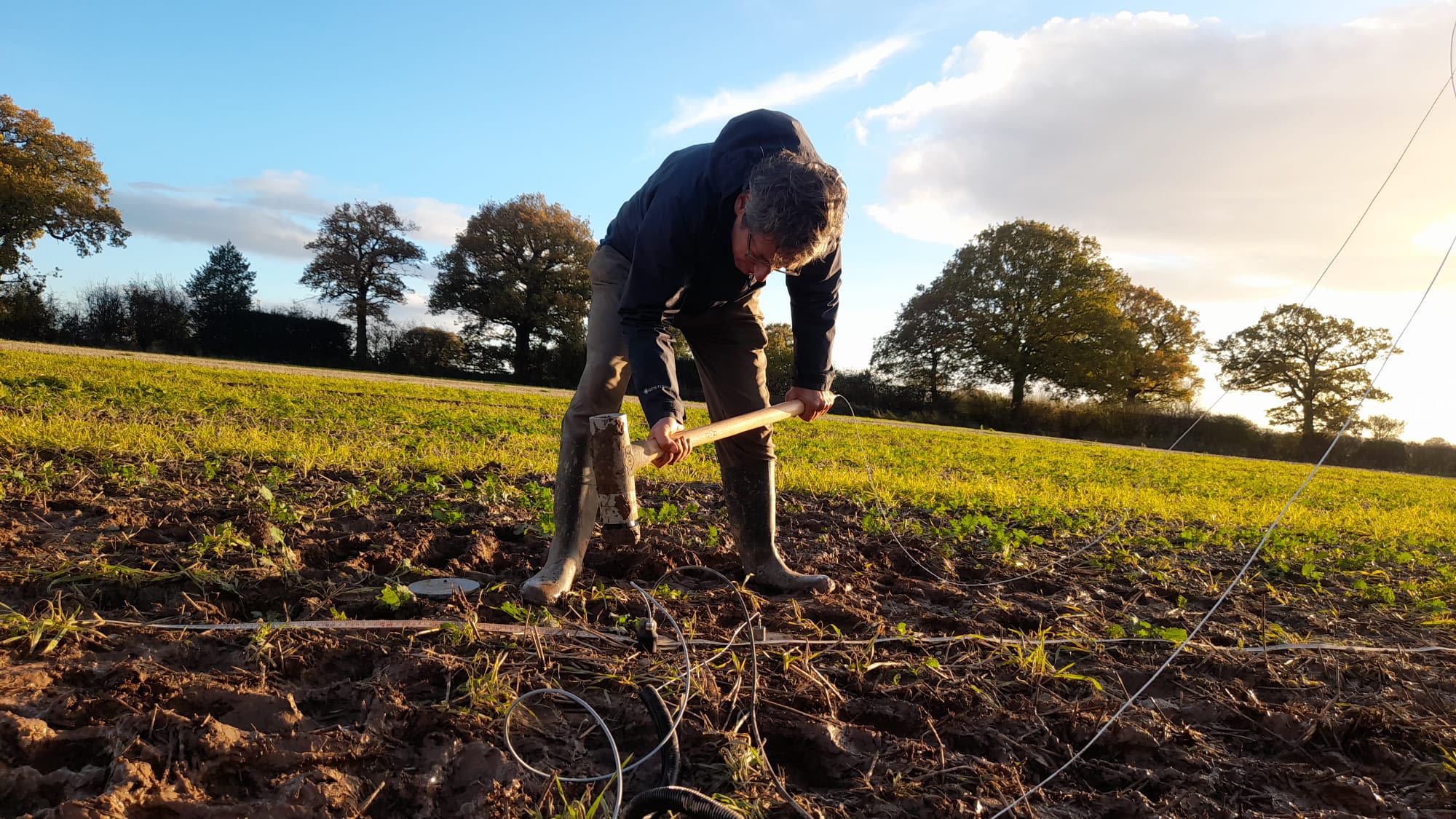

With a revolutionary approach based on seismology, the Earth Rover Program is making waves in soil health testing and is aiming for the “Holy Grail” of farming: high crop yields with low environmental impacts.
For many farmers around the world, testing soil health is pants. Sometimes that’s figuratively, with expensive and slow tests producing limited results, while also damaging the very field they are testing.
But sometimes it is literally pants, with an accepted low-tech method being to bury a pair of cotton underpants for two months, then digging them up and analysing the level of decomposition.
Because of the limitations of soil health testing, humanity has a startling lack of knowledge about what lies beneath our feet. This isn’t just a problem for farmers desperate to get the best yield from their fields to make ends meet. The world is facing a severe soil crisis, with scientists estimating more than 75% of Earth's land areas are already “degraded”: that means they are in such bad health that the soil’s ability to support plants, animals and ecosystems is limited. This figure is projected to rise to 90% by 2050.
This widespread degradation is a significant threat to the world’s ability to grow enough food. Scientists believe that by 2050 crop production in India, China and sub-Saharan Africa could have halved.
But soil degradation isn’t just driving a food crisis. Less fertile land is unable to support biodiversity and loses its capacity to store carbon dioxide. Ploughing fields also releases stored carbon into the atmosphere – and the Earth’s soil currently holds more carbon than the atmosphere and all vegetation combined.
“Understanding soils is as scientifically difficult as it is societally relevant and urgent,” says Professor Tarje Nissen-Meyer, a geophysicist at the university of Exeter. Now the co-founder of the Earth Rover Program, a new initiative aiming to improve soil health across the world, Nissen-Meyer adds: “Coming to realise that this is arguably the most vital terrestrial ecosystem for life on Earth – on which our food, carbon cycle, and water quality depend entirely – has been a scientific and conceptual revelation for me personally.”


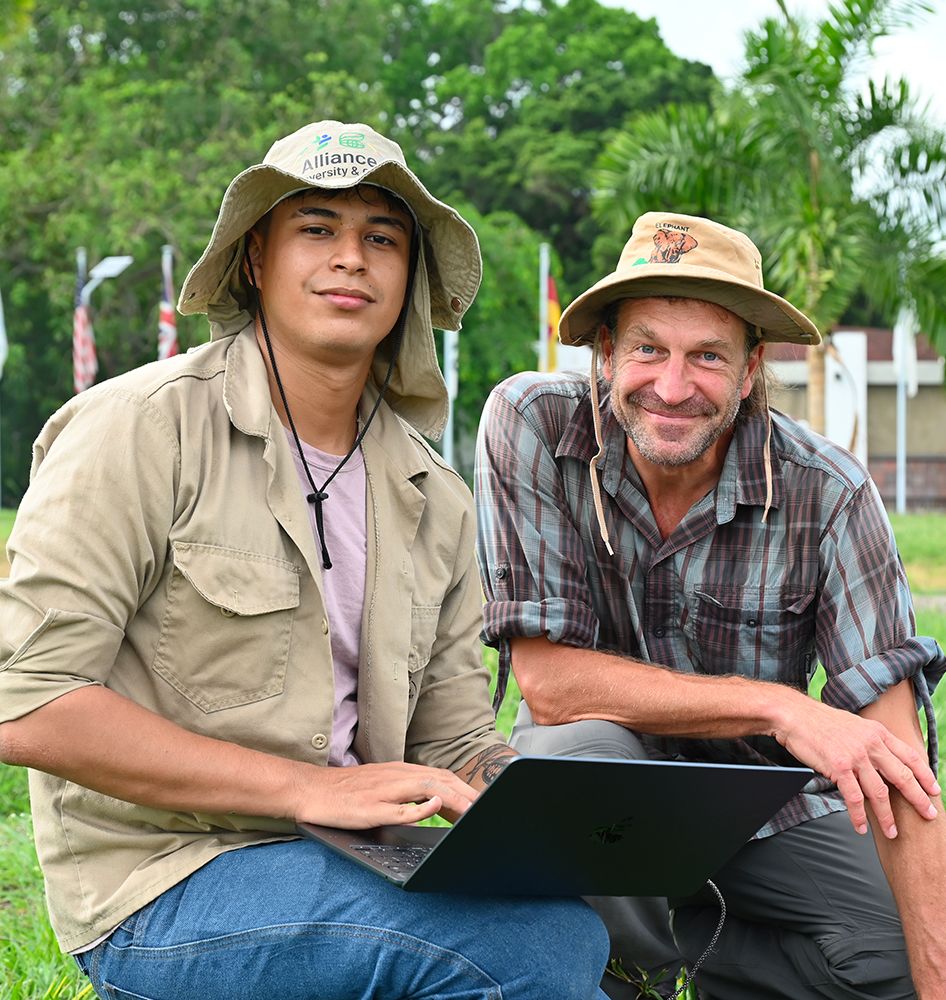
Soil is “arguably" the most vital terrestrial ecosystem for life on Earth, believes Professor Tarje Nissen-Meyer, pictured (right) with Earth Rover Program research scientist Maure Figueroa Lopez
Soil is “arguably" the most vital terrestrial ecosystem for life on Earth, believes Professor Tarje Nissen-Meyer, pictured (right) with Earth Rover Program research scientist Maure Figueroa Lopez
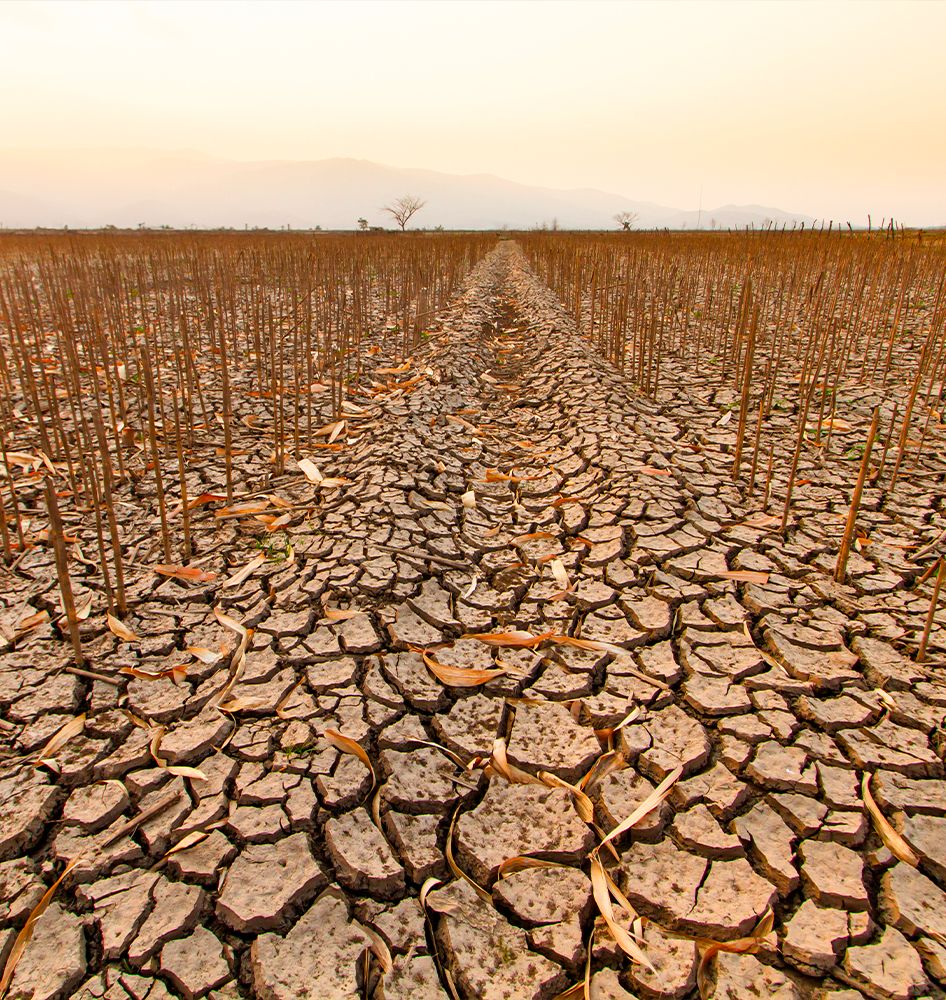
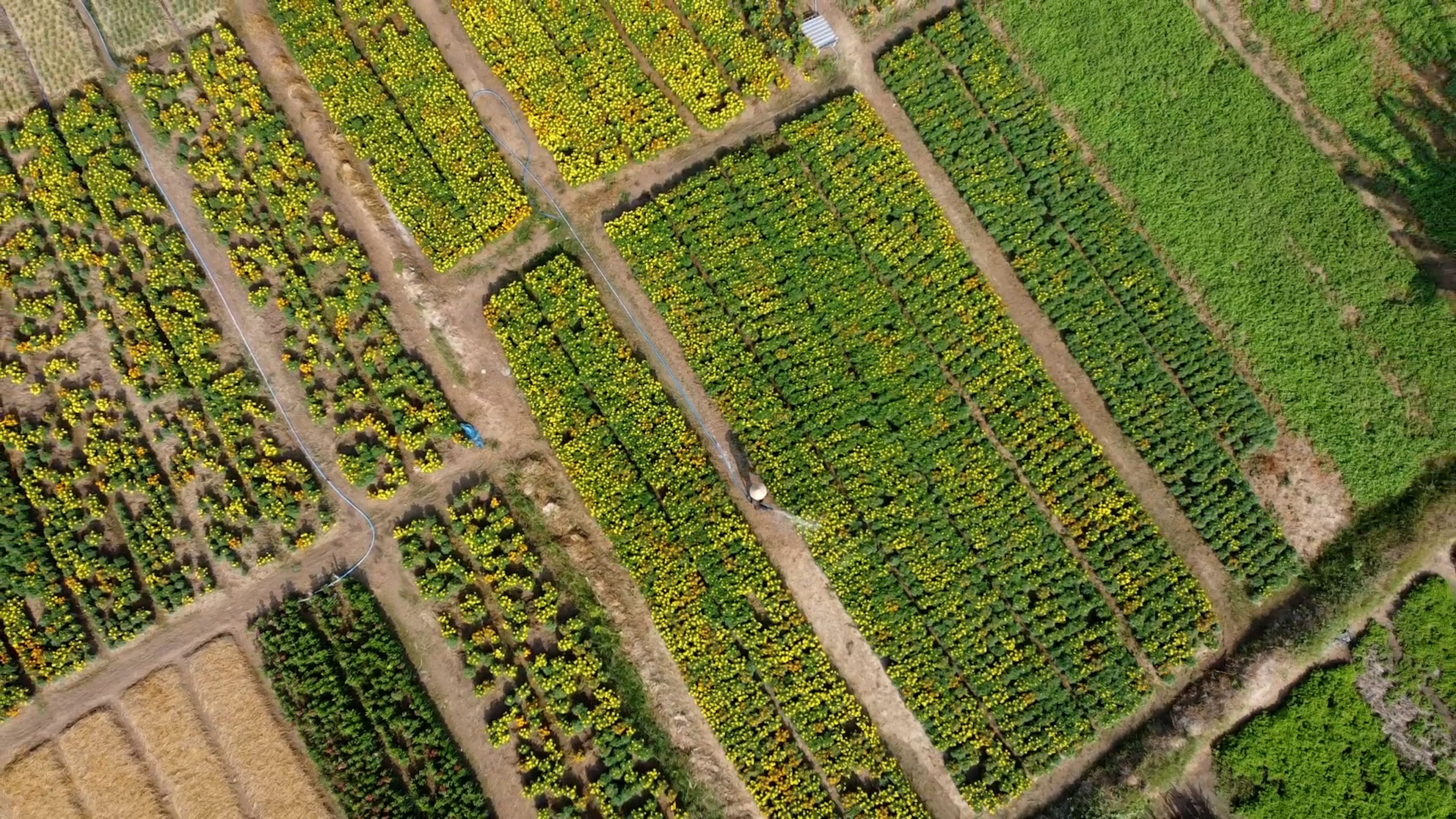
Severe degradation of soil health leads to desertification, where previously fertile, productive land turns into barren or arid wasteland, losing its ability to support agriculture, vegetation and wildlife
Severe degradation of soil health leads to desertification, where previously fertile, productive land turns into barren or arid wasteland, losing its ability to support agriculture, vegetation and wildlife
Pioneering ‘soilsmology’ for better soil health testing

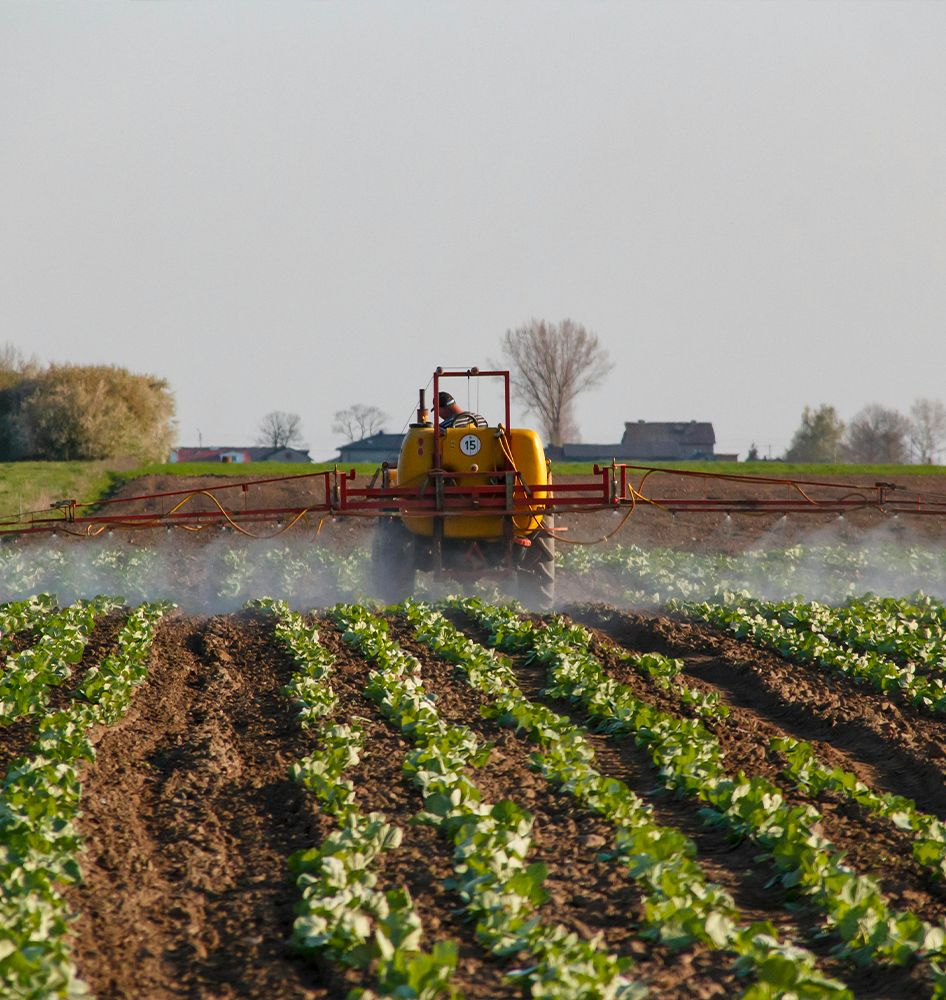
Long-term or excessive use of synthetic fertilisers disrupts natural processes within soil, leading to degraded soil health (credit: Aleksander Dumała)
Long-term or excessive use of synthetic fertilisers disrupts natural processes within soil, leading to degraded soil health (credit: Aleksander Dumała)
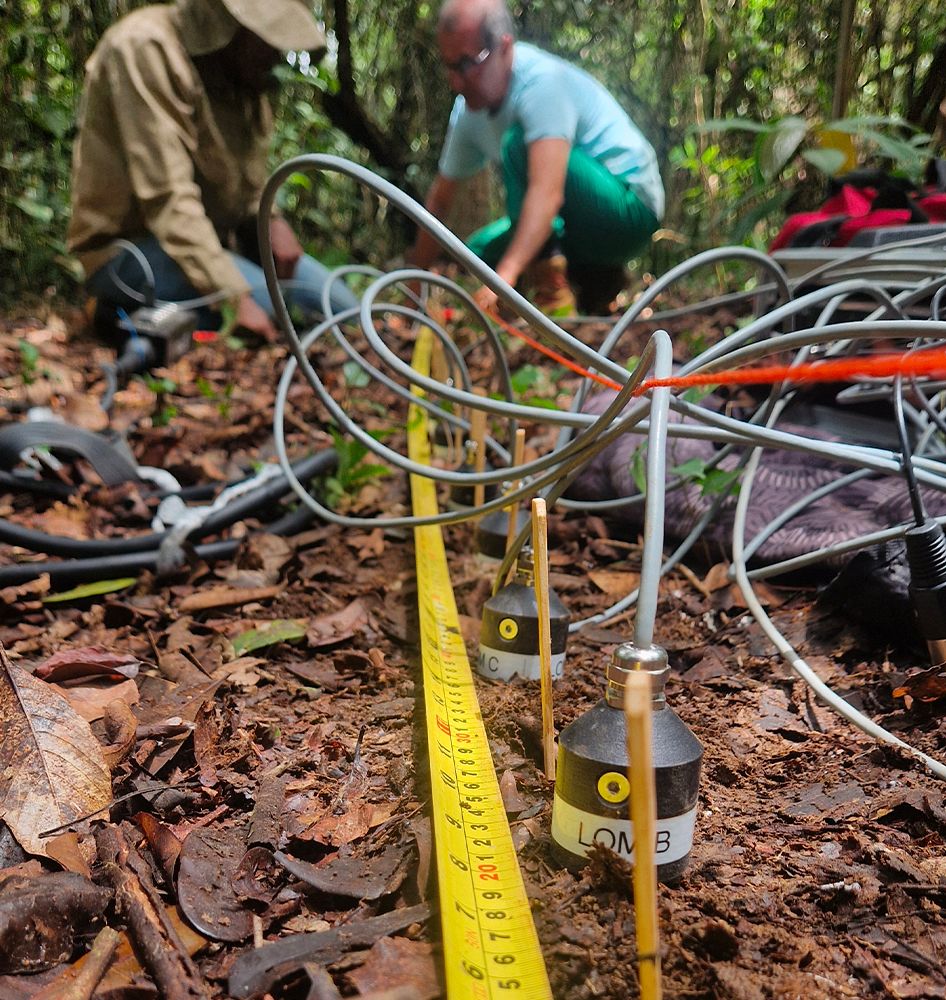
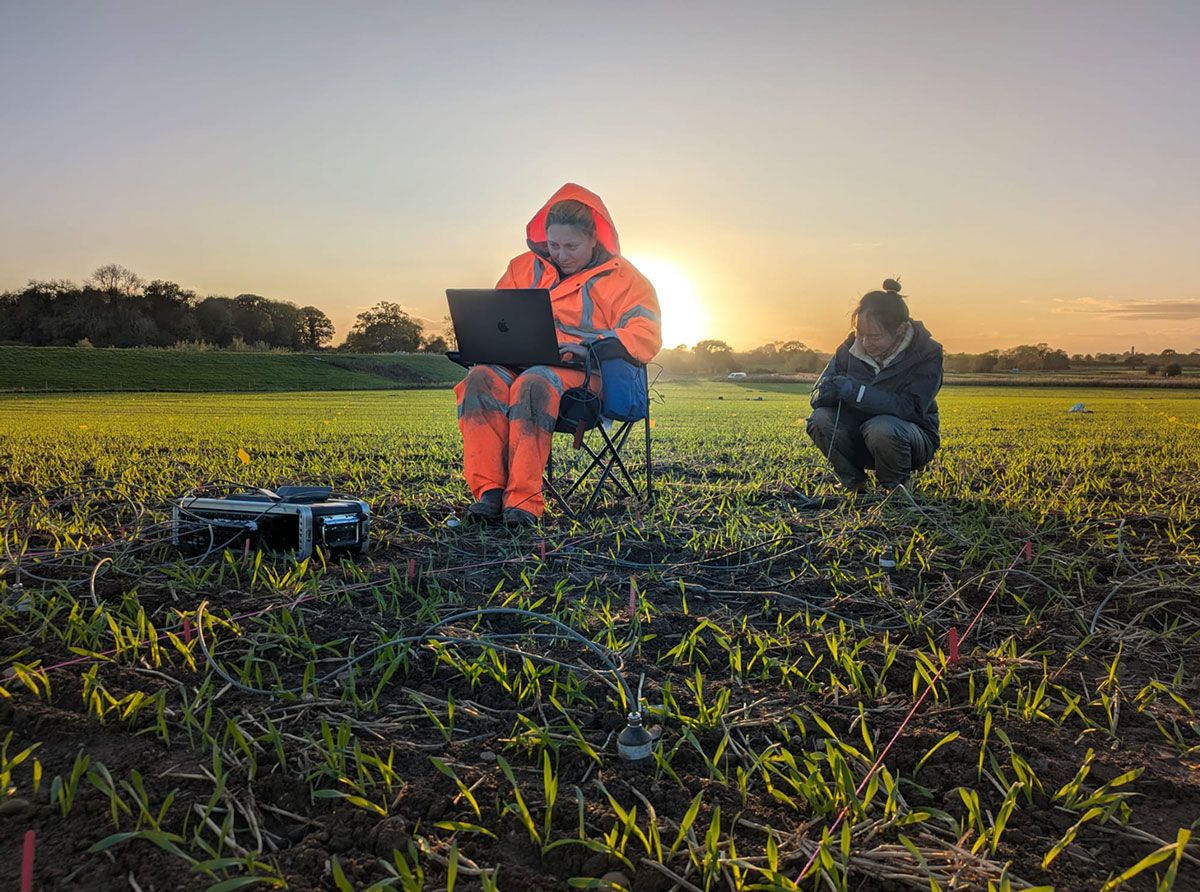
The Earth Rover Program's method of assessing soil health through seismology is quicker and cheaper than alternatives, and doesn't disrupt or damage the soil being tested
The Earth Rover Program's method of assessing soil health through seismology is quicker and cheaper than alternatives, and doesn't disrupt or damage the soil being tested
Soil degradation is being driven by unsustainable farming practices, including excessive tilling (or ploughing) and over-application of synthetic fertilisers and pesticides. At this point a vicious cycle kicks in. Because of the limitations of soil testing, many farmers rely on a basic understanding of how to maximise the yield of their crops, which often means ploughing before planting seeds and excessive application of fertiliser – the same unsustainable practices driving the crisis in the first place.
But Nissen-Meyer and the Earth Rover Program are making waves with their novel method of soil health testing, based on seismology, which they have dubbed “soilsmology”.
They believe soilsmology can deliver more precise, larger-scale soil health results, faster than existing methods. With its commitment to open-source technology, the Earth Rover Program aims to make this tech affordable and accessible to smallholder farmers across the world – including those in the poorest communities – and has taken legal steps to protect this approach.
Beyond allowing farmers to better manage their soil, the Earth Rover Program has its sights set on growing the regenerative agriculture movement, with better soil knowledge lowering financial barriers to reducing the environmental impact of farming.
The Earth Rover Program aims to create a global soil database and connected app, offering near-instant insights into soil health and helping to achieve what it describes as the “Holy Grail” of farming: high crop yields with low environmental impacts.
A lightbulb moment in an English pub

Launched officially on World Soil Day (5 December) 2025 following a successful pilot, the origins of the Earth Rover Program go back to when journalist George Monbiot was working on his 2022 book Regenesis.
In researching sustainable food production and consumption, Monbiot says he kept encountering the same problem: a “huge knowledge deficit” about soil. “I came to see that our lack of knowledge of soil was a massive impediment to improving agriculture, because, through no fault of their own, farmers just have to rely on guesswork,” he says.
In Regenesis, Monbiot contrasted the world’s yawning knowledge gap about the surface of Earth with the Mars Rover Program: robotic missions to the red planet testing, among other things, soil and rock composition. He says: “We're spending all this money on the Mars Rover Program. We need big scientific breakthroughs, and far more attention and research, paid to [Earth’s] soil.”
At the same time, Nissen-Meyer was a geophysicist looking for an ecological application for a science which has become extremely sophisticated thanks to billions of pounds of funding from the oil and gas industry: seismology.
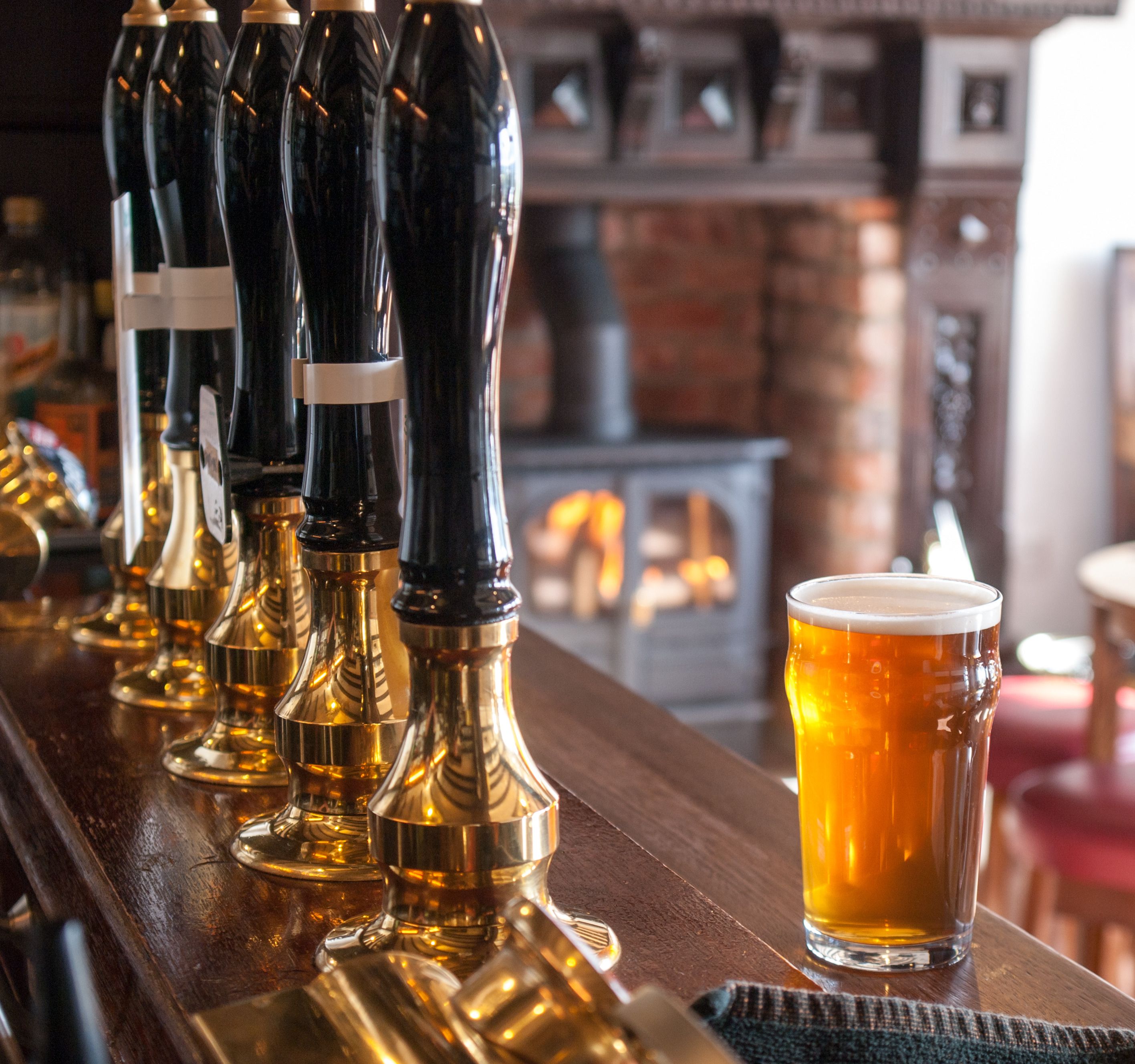
In a pub in Oxford, England, Monbiot and Nissen-Meyer hit upon the idea that seismology could be used to ‘see’ soil. Monbiot says: “There was this lightbulb moment. Our first thought was ‘someone’s bound to have done it’. So Tarje did a literature review and nothing came up. Our second thought was ‘then it must be rubbish’.”
Monbiot and Nissen-Meyer took their idea to Professor Simon Jeffery, an eminent soil scientist at Harper Adams University in England. Jeffery, who was so convinced he became a co-founder of the Earth Rover Program, says the potential of the idea to revolutionise soil science was immediately obvious.
Jeffery says: “We spent about half an hour on the call with me asking Tarje questions about what seismology should be able to detect. I don’t think he said ‘no’ to one of them. Some way of trying to measure structure in the field without disturbing or destroying the thing you’re looking at was an amazing idea that seemed beyond our reach until that conversation.”
With US$4m funding from the Bezos Earth Fund, further financial support from the UBS Optimus Foundation, and the addition of operations expert Katie Bradford to the founding team, the Earth Rover Program got to work. Now, with hubs in the UK, Kenya and Colombia, the team is integrating seismology with new sensor designs and AI models, and building its database, to roll out soilsmology as quickly as possible.
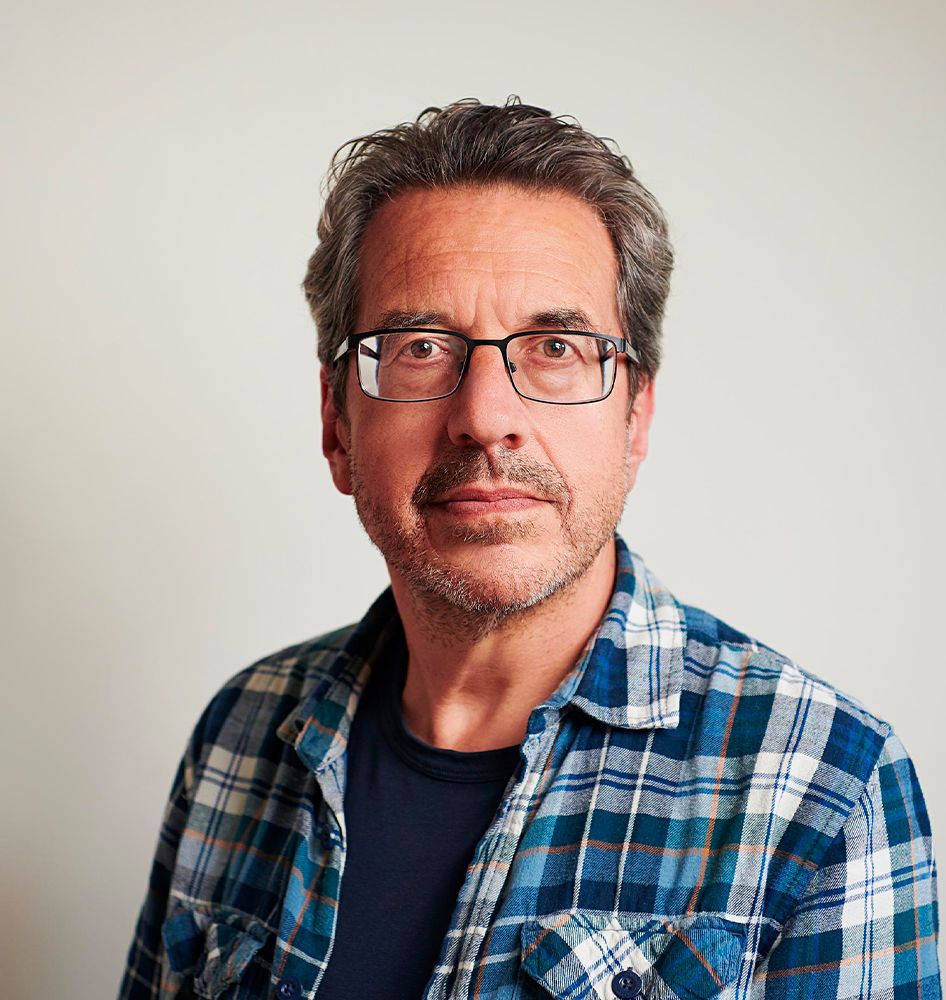
A "huge knowledge deficit" can be addressed by assessing soil health through seismology says George Monbiot, co-founder of the Earth Rover Program
A "huge knowledge deficit" can be addressed by assessing soil health through seismology says George Monbiot, co-founder of the Earth Rover Program
Earth Rover Program co-founder Simon Jeffery says the initiative is working towards an "all-singing, all-dancing app" which can test farmers' soil health and make recommendations on managing it
Earth Rover Program co-founder Simon Jeffery says the initiative is working towards an "all-singing, all-dancing app" which can test farmers' soil health and make recommendations on managing it
How soilsmology provides a view into a previously unseen world

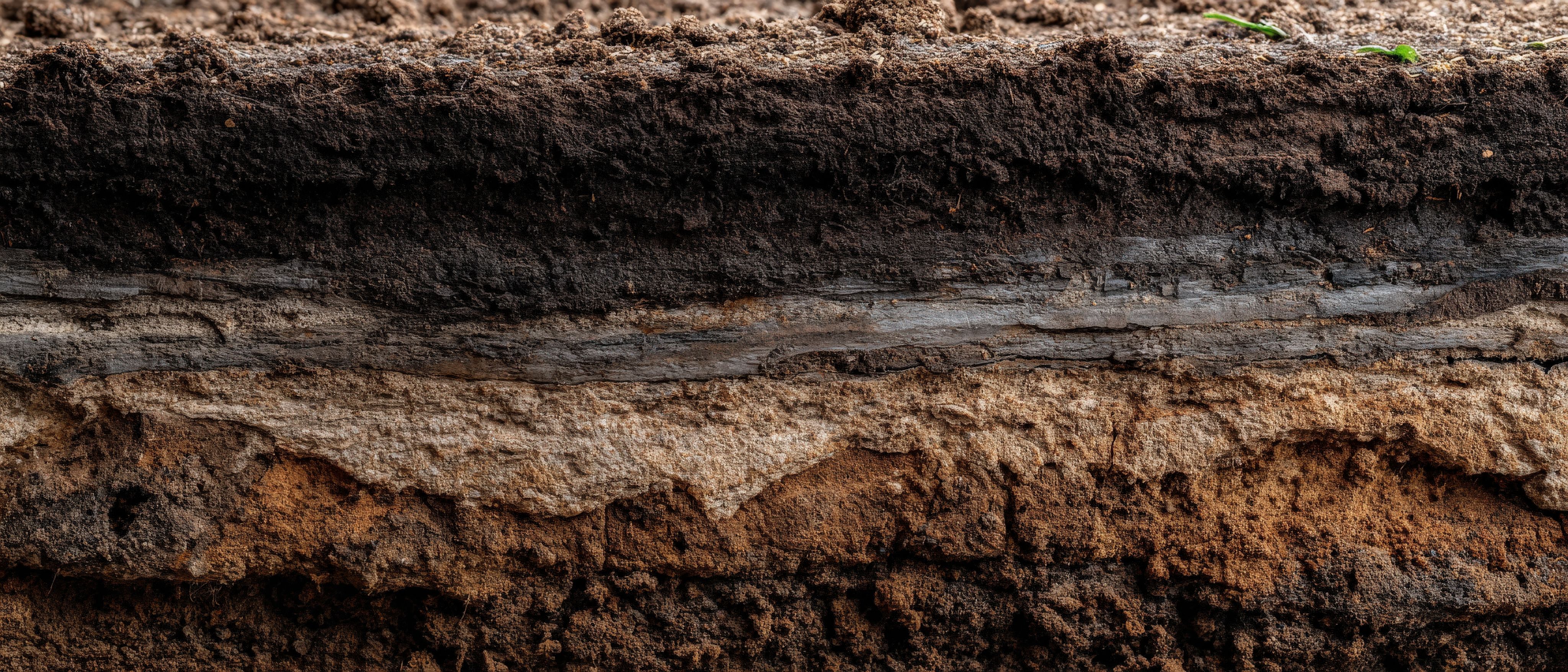
In his writing Monbiot compares soil to a coral reef – an extremely complex biological structure built and sustained by the creatures that inhabit it. The properties of soil are a result of the interaction between lifeforms, materials and environmental conditions, which vary greatly from place to place.
Existing (pre-Earth Rover Program) soil science is effective in analysing the chemical properties of soil. This means that farmers can see the nutrient levels of chemicals like nitrogen, potassium and phosphorus and apply fertiliser or take other measures to ensure that their crops have the nutrients they need to grow well.
Analysis of the biology of soil — the diverse community of bacteria, fungi, earthworms and other organisms that decompose organic matter, drive the nutrient cycle and form the soil structure — has also been improving.
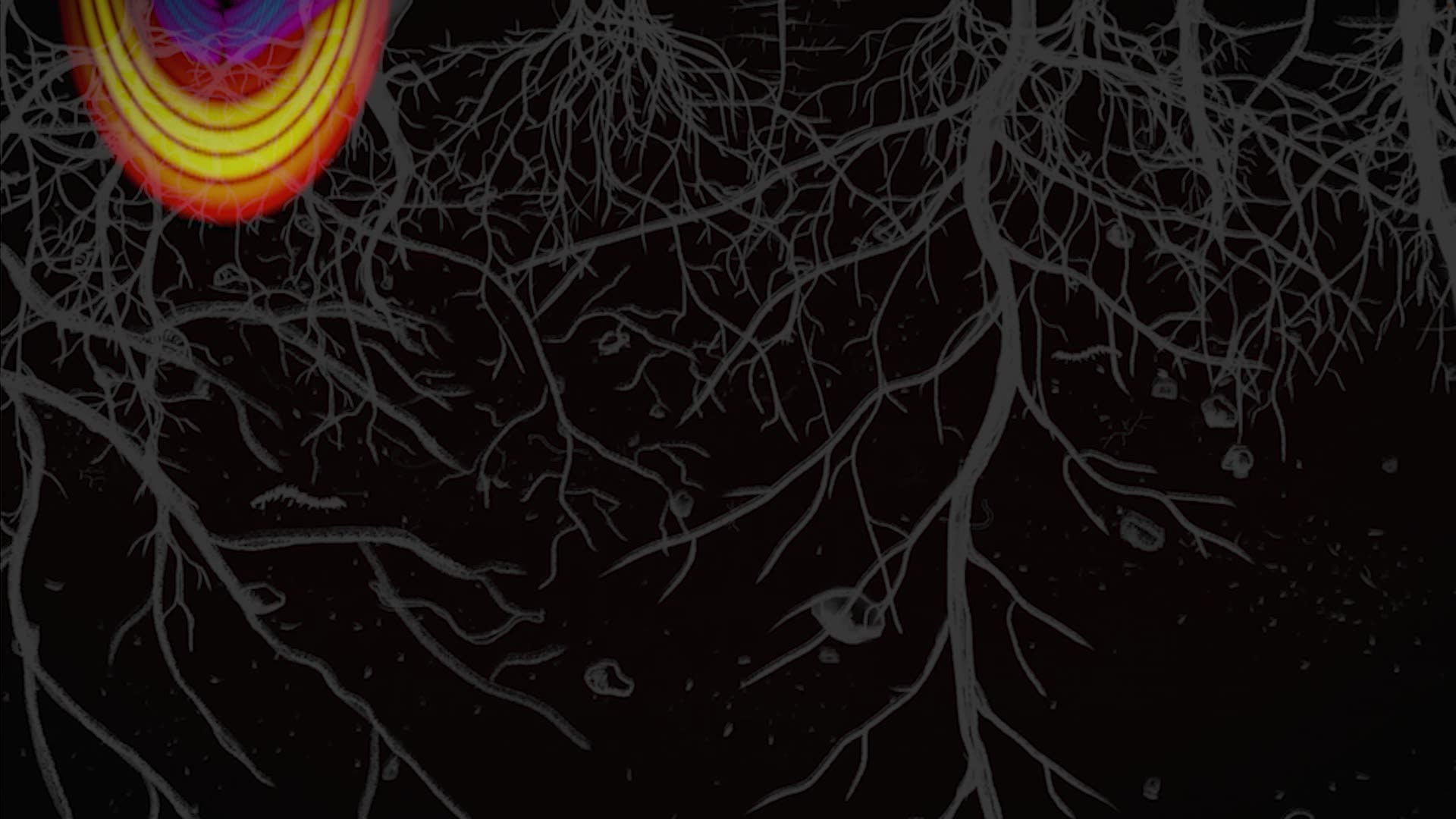
But what farmers can’t see is the structure of the soil, which is crucial to its health and productivity. For example, what scientists call “connected porosity” (the labyrinth of tunnels, cracks and channels created by lifeforms) dictates the movement of water, oxygen and nutrients, with the level of connectivity determining how effectively the soil supports plant roots and microbial life.

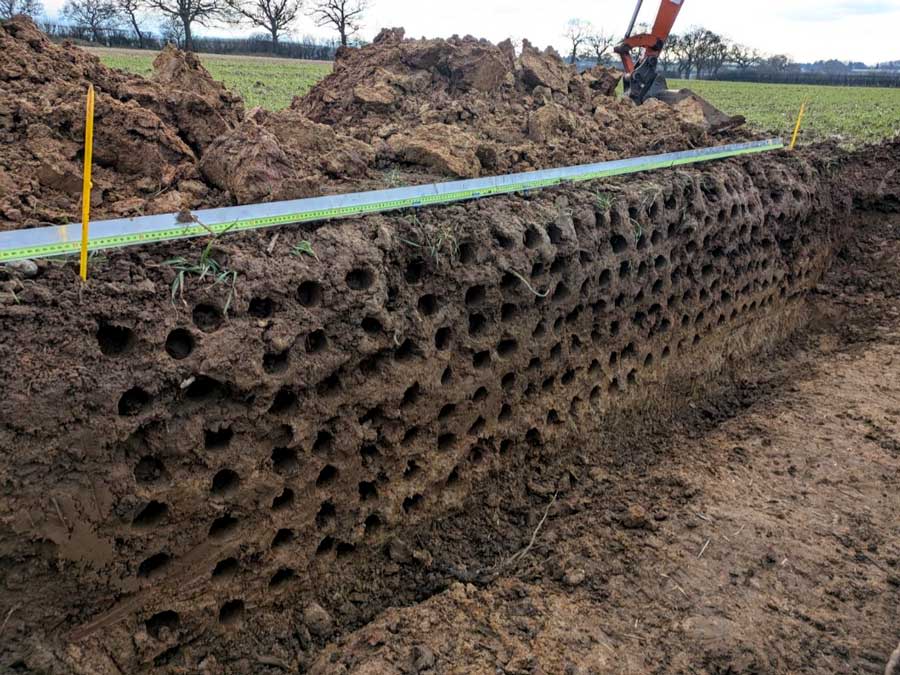
Taking soil samples is a destructive, expensive and lengthy process
Taking soil samples is a destructive, expensive and lengthy process
Prior to soilsmology, scientists struggled to study soil structure because the best techniques for taking soil samples — digging up bits of field — was inherently destructive.
Using seismology techniques — measuring waves passing through a solid medium, in this case earth — soilsmology allows the scientists and farmers to “see” the soil structure, like an ultrasound allows doctors to see a baby in the womb.
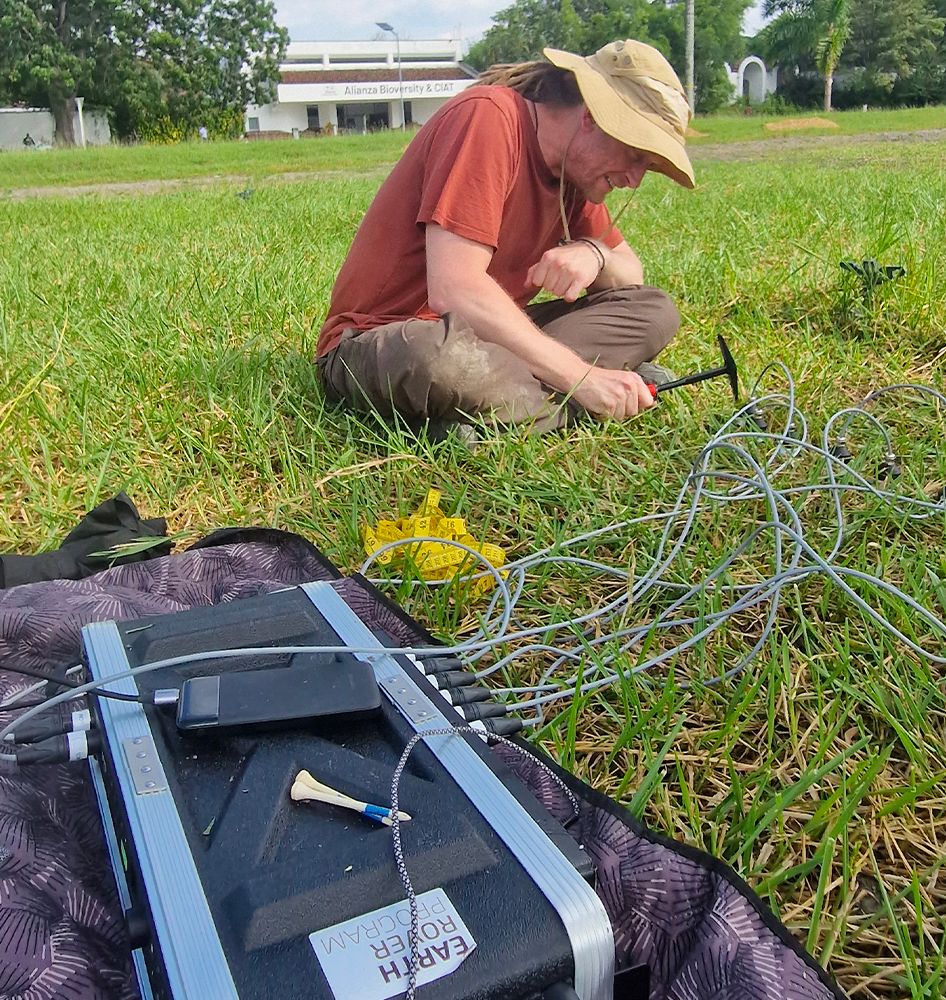
In soilsmology, seismic waves are made by hitting a metal plate with a small hammer. Those waves are detected by sensors, creating a 3D scan of the soil, showing structure, moisture levels and bulk density of the earth without digging or disturbing the field being tested.

“We could have gone down a commercial route. No one wanted to do that. We all saw the huge potential for creating positive change”
Soilsmology for good, not commercial gain

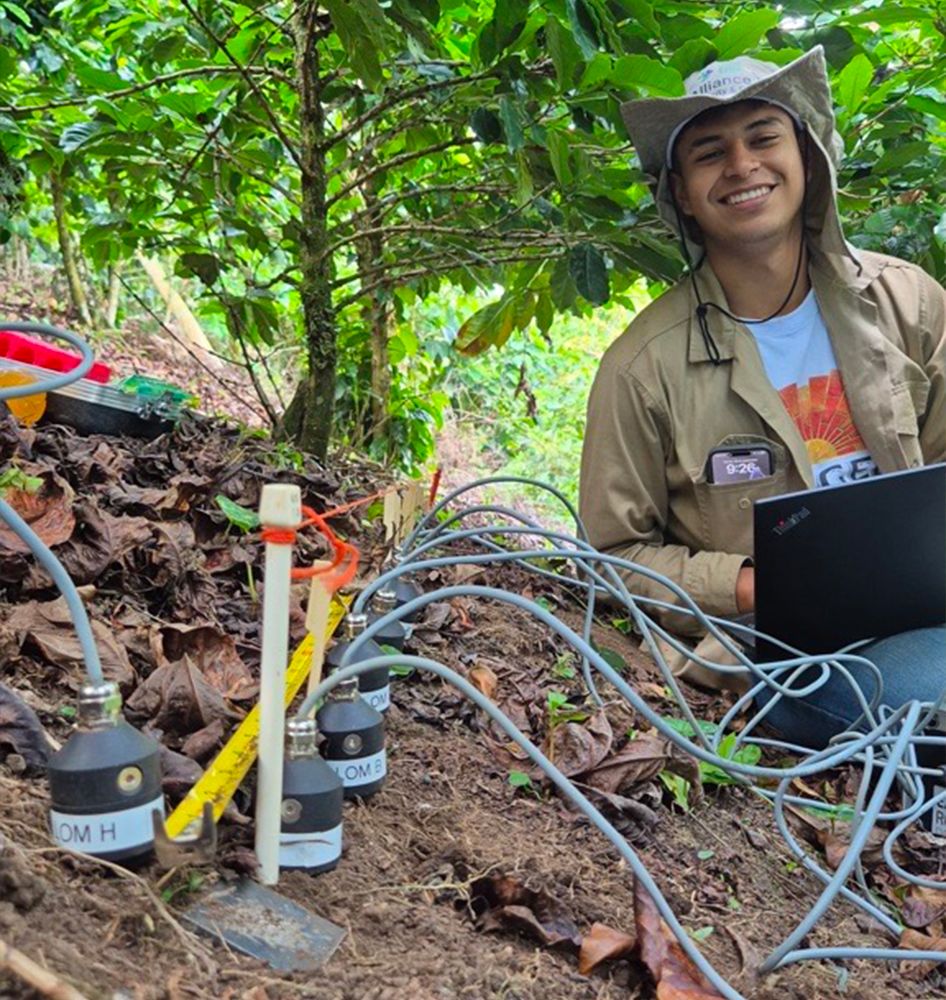
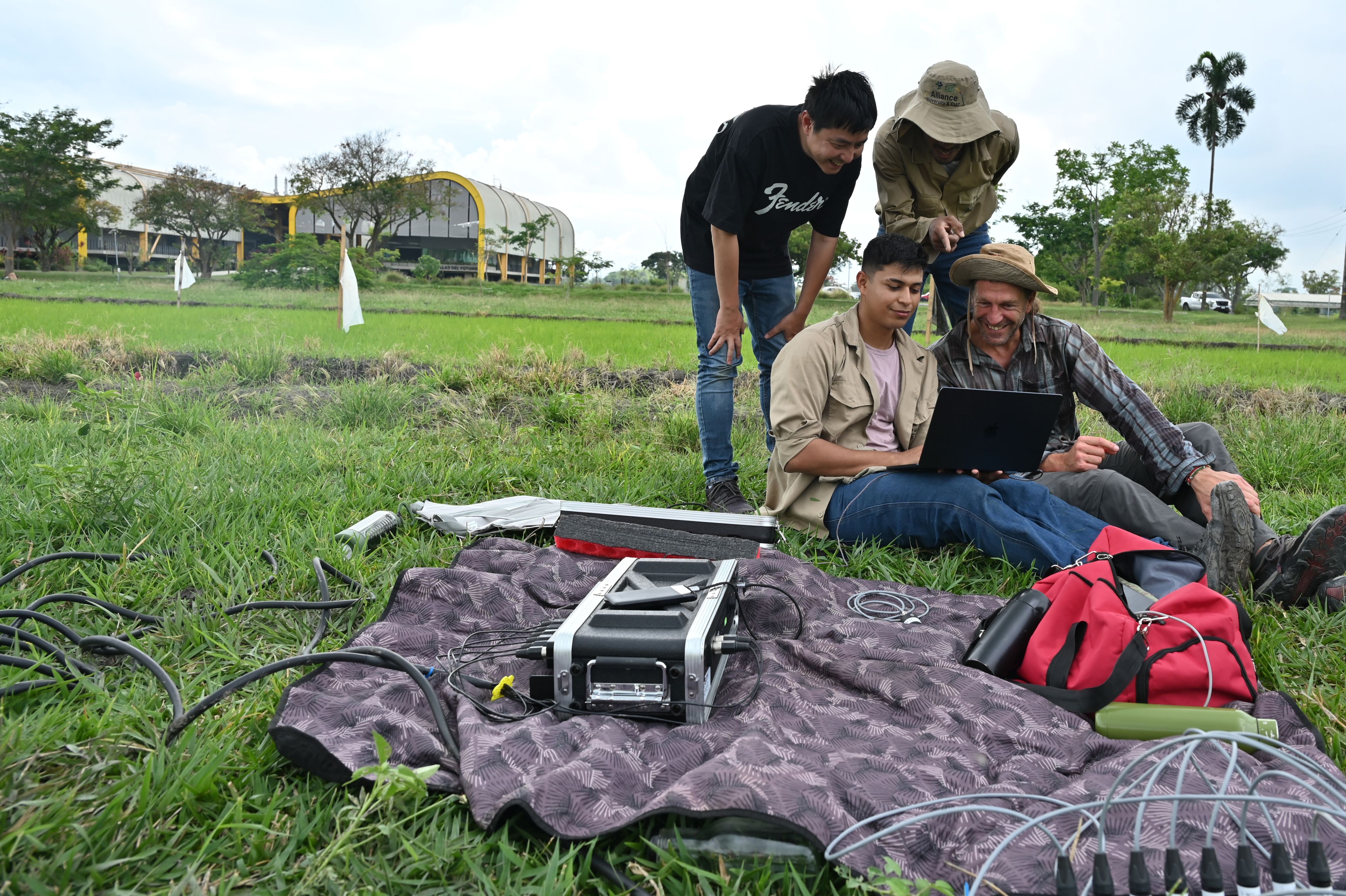
Research scientist Maure Figueroa Lopez is part of the Earth Rover Program's Colombia Hub, which is a collaboration with Alliance Bioversity and the International Center for Tropical Agriculture's projects on related topics like deep soil carbon sequestration
Research scientist Maure Figueroa Lopez is part of the Earth Rover Program's Colombia Hub, which is a collaboration with Alliance Bioversity and the International Center for Tropical Agriculture's projects on related topics like deep soil carbon sequestration
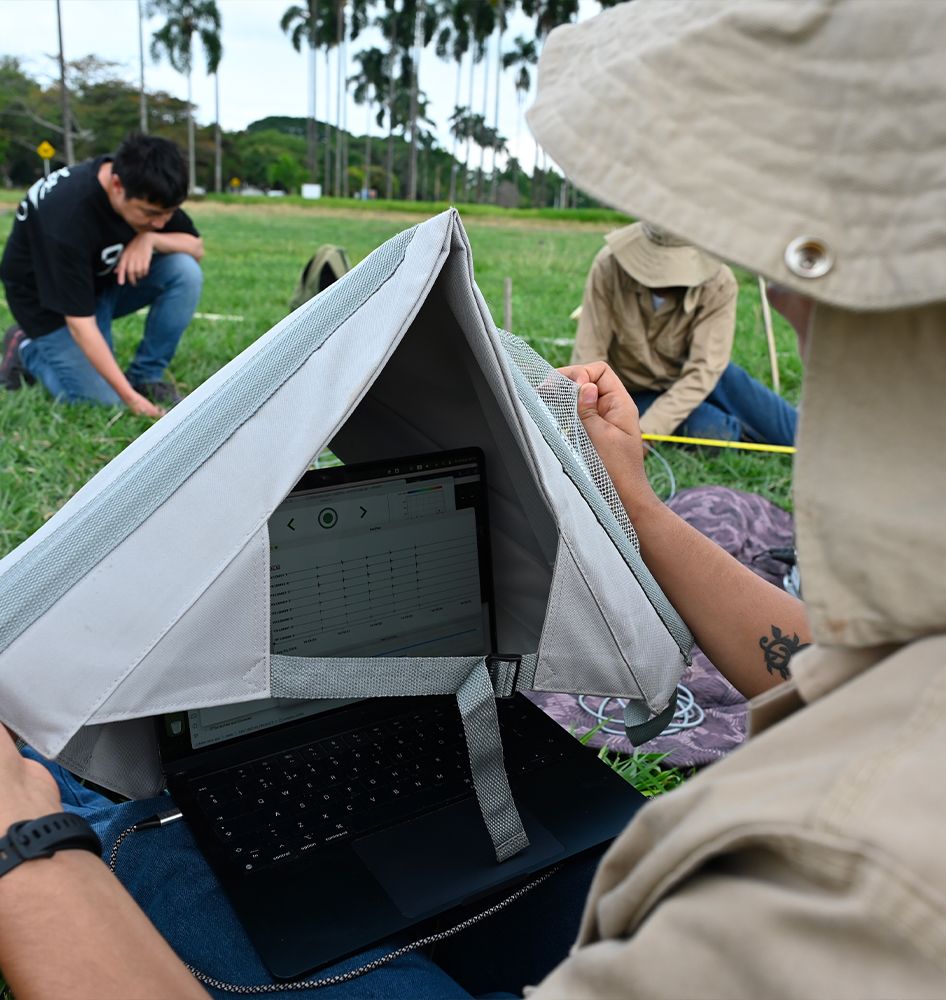
The Earth Rover Program is aiming to develop a "self improving" global database of soil types and climatic conditions found across the world
The Earth Rover Program is aiming to develop a "self improving" global database of soil types and climatic conditions found across the world

Social enterprise startups should get intellectual property advice early, says Hogan Lovells intellectual property lawyer Josh Stickland
Social enterprise startups should get intellectual property advice early, says Hogan Lovells intellectual property lawyer Josh Stickland
Making soilsmology tech affordable and accessible, even to the poorest farmers in the world, is a core principle of the Earth Rover Program’s work. Universal access to information on how to improve soil health could have widespread benefits, increasing farmers’ incomes, ensuring we have enough food to eat and contributing to the fight against climate breakdown.
Monbiot explains the founders specifically decided against developing the technology for commercial gain. “We could have gone down a commercial route. No one wanted to do that. We all saw the huge potential for creating positive change.”
In this context, affordable and accessible means getting the technology into farmers’ phones, says Jeffery: “The ultimate goal is for an all-singing and all-dancing app, which will hopefully be able to identify soil condition and come up with suggestions of how to improve it.”
The Earth Rover Program team made an early decision to make their technology ‘open-source’ which means a technology’s source code, blueprints or designs are publicly available. The benefit of open-source tech is that it can be modified and enhanced by the people who use it, promoting collaboration and innovation.
But just because you don’t want to exploit the commercial potential of an idea doesn’t mean someone else wouldn’t. The Earth Rover Program team were conscious of the possibility of another individual or organisation commercialising soilsmology, so they contacted law firm Hogan Lovells to work on legal protection for the concept.
Hogan Lovells intellectual property lawyer Josh Stickland was part of the team which provided pro bono advice, including advising the Earth Rover Program on possible options to protect its technology and testing methods.
Stickland and the team at Hogan Lovells further supported the Earth Rover Program by working on collaboration agreements between the initiative and Exeter and Harper Adams universities.
He says: “The whole programme really emphasised to me the importance of not-for-profit and social enterprises getting IP advice early on, particularly in a space where you think you’ve come up with something that’s amazing and technical and could revolutionise a particular field. It really matters what you put out there publicly, and that can limit your impact on what options you have going forward.”
Taking on an ‘epic’ data problem

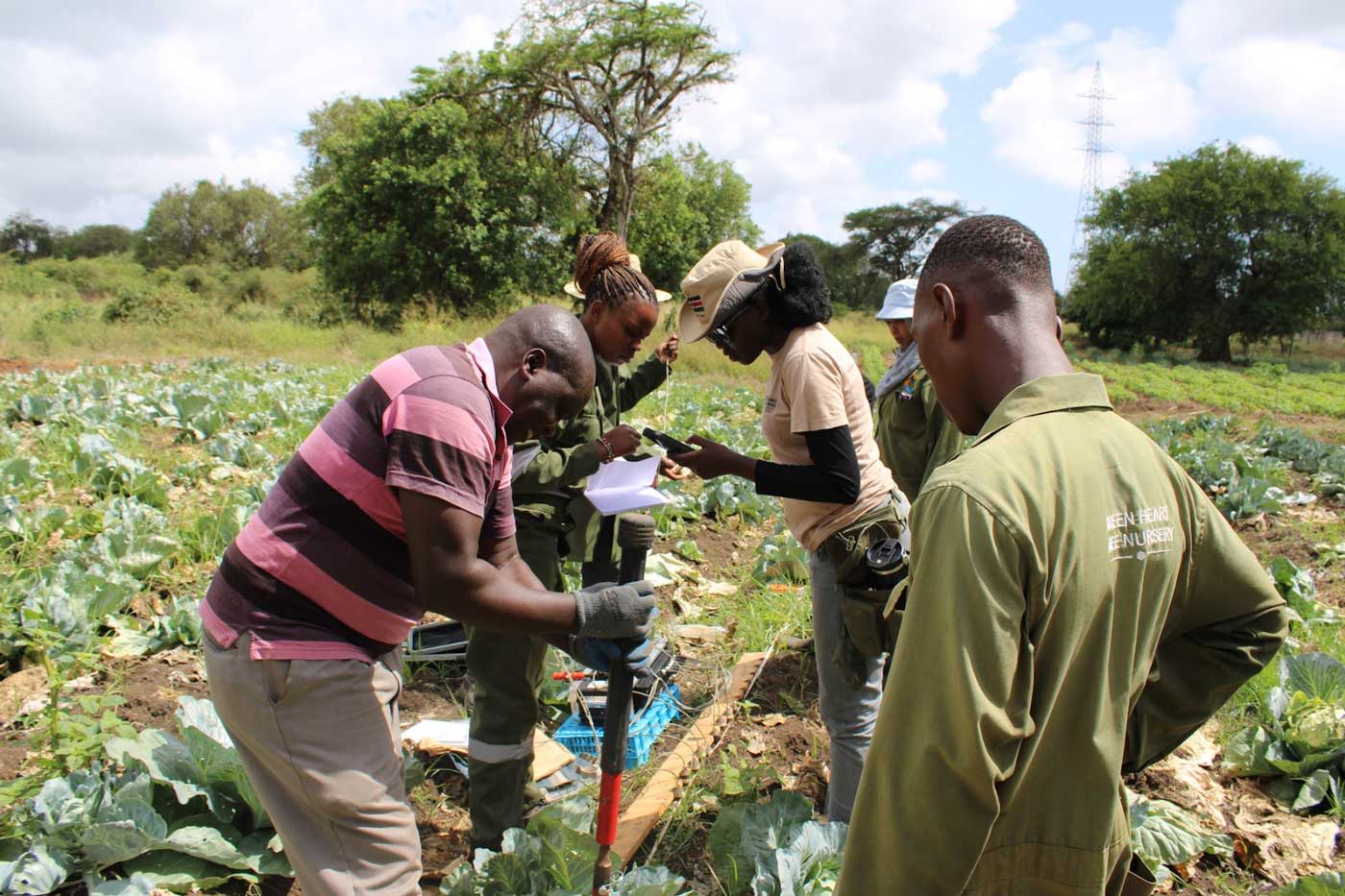
For Dr Peter Mosongo soil health is far from an academic concern. The seeds of Mosongo’s passion for his specialist topic were planted when the crops at his family farm in western Kenya failed.
The Mosongo farm grew maize and vegetables. The family tended their fields in the way many farmers do: always ploughing and applying fertiliser before planting seeds. But after many years of productivity, the Mosongo’s crops gradually stopped growing. By mid 2009, the family’s income from the farm was greatly reduced.
The previous productivity of the Mosongo farm had funded Peter through school, and that formative incident lit a fire in him. His career has taken in a PhD in soil microbial ecology, an MSc in soil ecology and a BSc in microbiology. All that knowledge and experience has been put into practice at his family’s farm, where he has helped restore the soil's health. It has also led him to the Earth Rover Program, where he is a research scientist.
The Earth Rover Program’s Kenyan hub, established in collaboration with the Centre for Ecosystem Restoration Kenya, is running seismic surveys across Kenya to test the technology and gather data from the country’s seven distinct agroclimatic zones (areas defined by similar climate, weather patterns and soil type).
Mosongo says the majority of farmers in Kenya can’t afford to conduct conventional soil analysis. Even if they could, he says, because the results take so long to come back from laboratories, the season will likely be over by the time they arrive, making the information irrelevant.
The speed at which the Earth Rover Program can scale is being frustrated by the limitations of conventional soil testing methods, says Mosongo. The data Mosongo and his team are gathering through soilsmology are being compared with samples gathered by conventional methods. But because soilsmology tech and techniques are rapidly advancing, the conventional testing methods can’t keep pace, limiting how quickly the Earth Rover Program can populate its database.
Rapidly building the database is crucial to the Earth Rover Program’s plans. The “all-singing and all-dancing app” Jeffery is aiming for will only be possible once the database is large enough, covering soil types and climatic conditions found across the world. At that point, says Monbiot, the app will become self-generating and self-improving, as more farmers use it and add to the database.
Right now, Jeffery says they have an “epic” data problem, with significantly more coming in than they can process. The Earth Rover Program’s AI engineers are designing models which can automate that process, to get the initiative over the “productivity hump” it is experiencing.
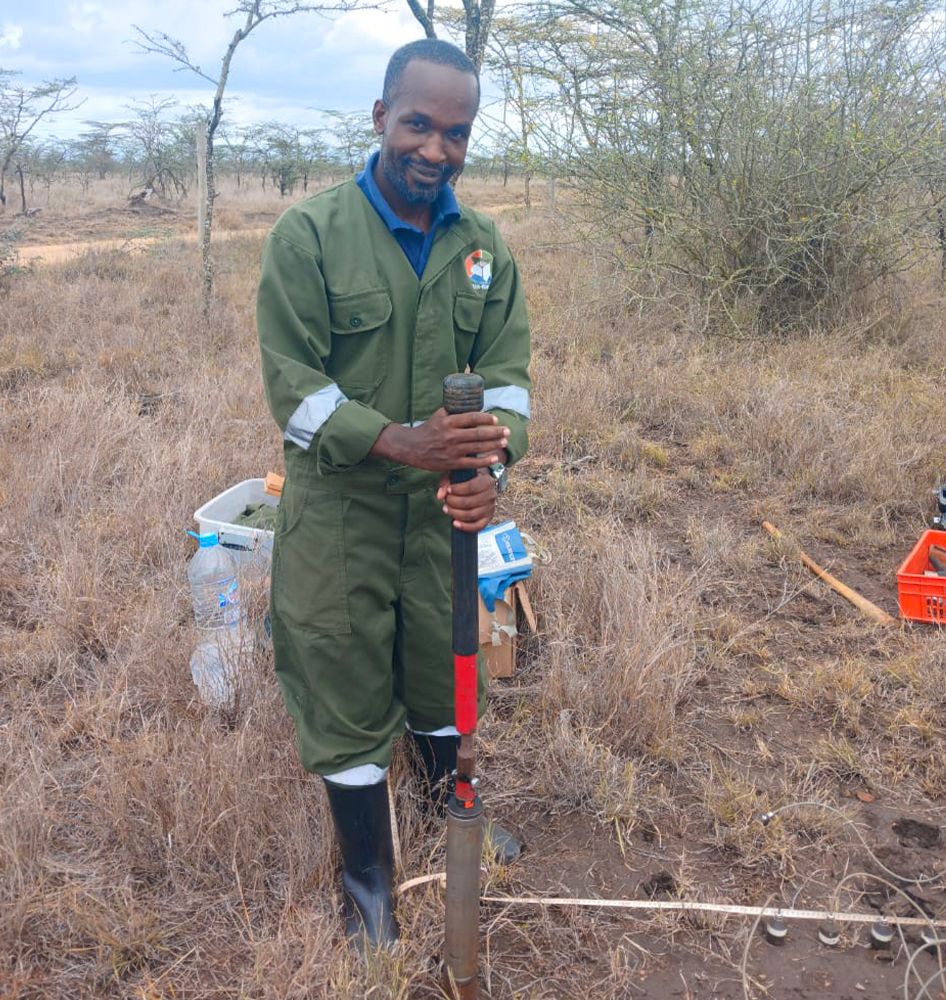
Earth Rover Program research scientist Dr Peter Mosongo's passion for soil health grew from the crops failing on his family farm in Kenya
Earth Rover Program research scientist Dr Peter Mosongo's passion for soil health grew from the crops failing on his family farm in Kenya
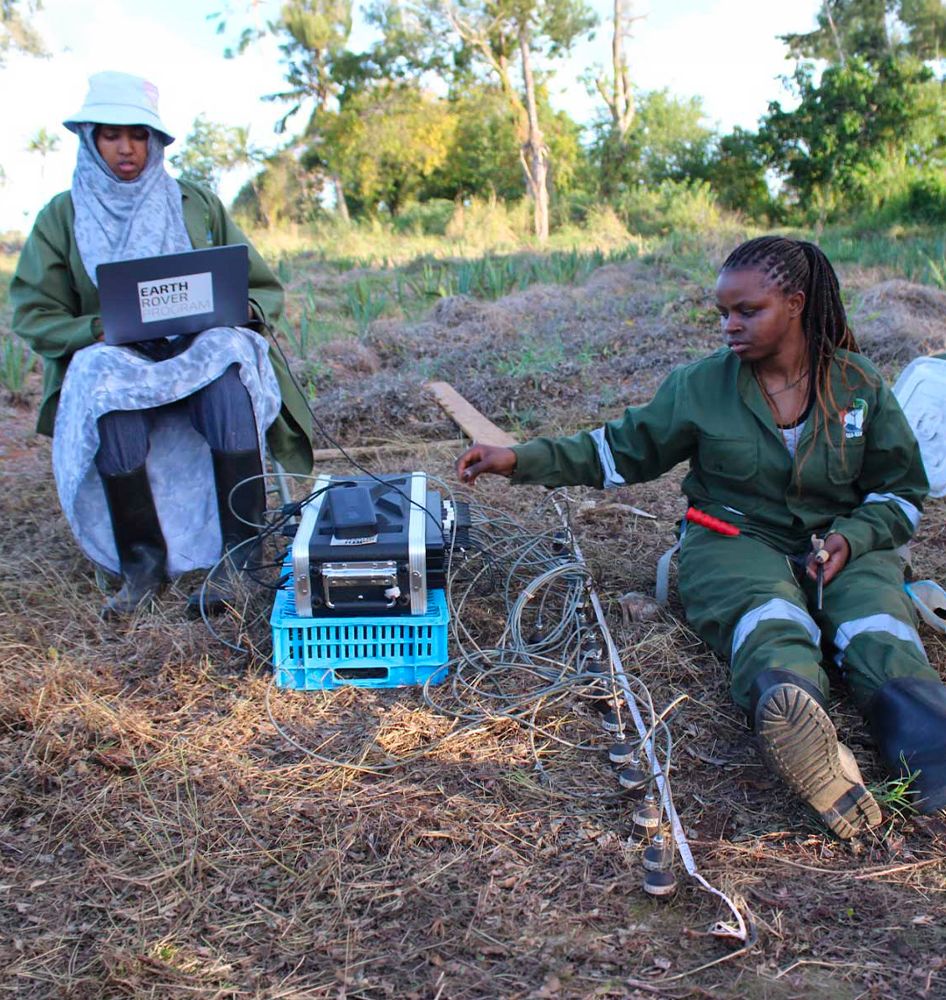
The Earth Rover Program's team in Kenya has already carried out testing across the country's seven distinct agroclimactic zones
The Earth Rover Program's team in Kenya has already carried out testing across the country's seven distinct agroclimactic zones
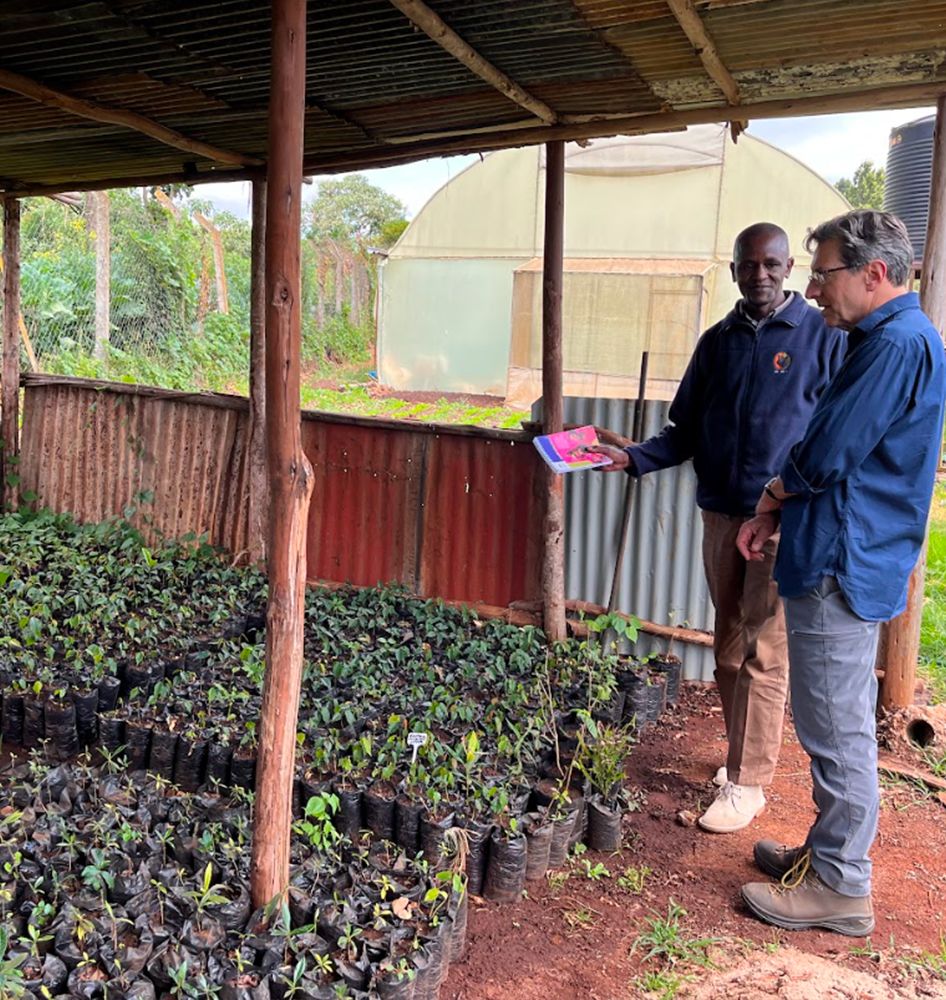
Earth Rover Program co-founder George Monbiot (right) visits the initiative's Kenya Hub
Earth Rover Program co-founder George Monbiot (left) visits the initiative's Kenya Hub
How Bratislavan experimental music helped an uphill battle in Colombia

The speed with which the Earth Rover Program is gathering data is in large part due to the advances it has made in the sensors it is using for the soilsmology tests.
When the founders first started testing the idea they were using laser vibrometers, which cost around £10,000 each and were very fragile, to the point they would stop working if they got muddy. Which, given they were being used to test soil, was far from ideal.
The next iteration was a type of accelerometer used in civil engineering, which brought the cost down to around £1,000. Much better, but still nowhere near cheap enough for their ideal of something that would be universally affordable and accessible.

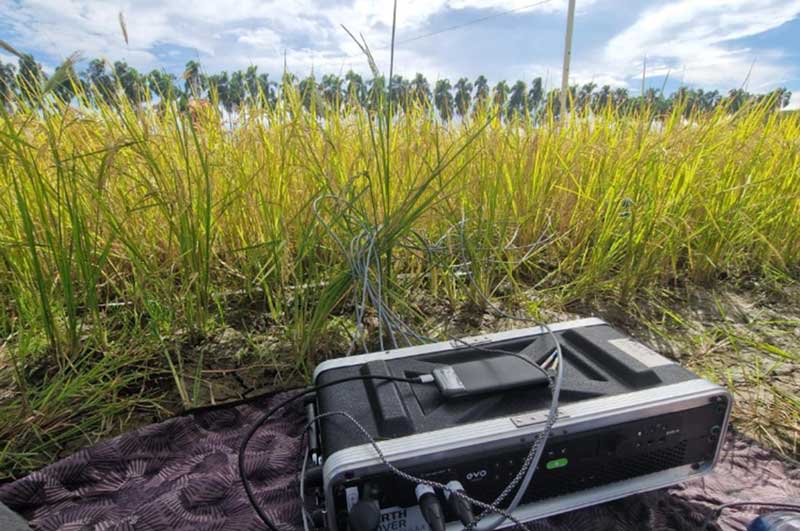
The Earth Rover Program's current "LOMBox" testing kit
The Earth Rover Program's current "LOMBox" testing kit
The breakthrough came via Bratislavan experimental music. The Earth Rover Program is now using tech the scientists have designed themselves, called a LOMBox, containing sensors developed for the aforementioned electronic music scene. The LOMBox costs around £100 to make and runs off batteries, another leap towards the “affordable and accessible” goal.
Using three LOMBoxes, the team in the UK tested a one-hectare site to a 20-centimetre resolution. The tests took the team two weeks. If tested by conventional soil sampling methods, it would have taken roughly two years and cost approximately £2m, while completely destroying the field.
Earth Rover Program sensor engineer Dr Jiayao Meng is now working on soilsmology through micro-electro-mechanical systems (MEMS) sensors, commonly found in smartphones to detect movement, sound and orientation (controlling, for example, screen rotation).

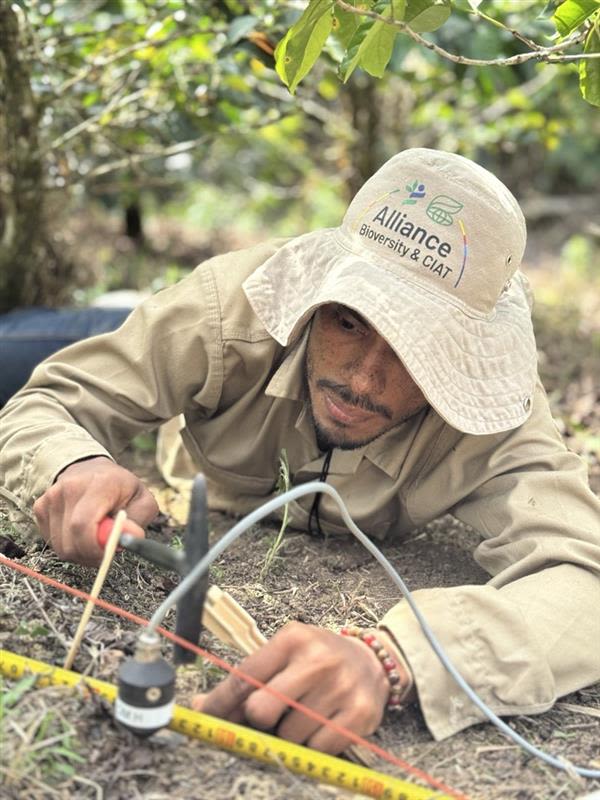
Andres Velez Gruezo, research scientist in Colombia
Andres Velez Gruezo, research scientist in Colombia
The necessity of lightweight tech is illustrated by the Earth Rover Program’s Colombia hub, run in partnership with Alliance Bioversity and the International Center for Tropical Agriculture (CIAT).
There, research scientists Andres Velez Gruezo and Maure Figueroa Lopez are testing soil across the country’s diverse range of conditions and altitudes, importantly including tropical climates like rainforests and arid zones.
But those deliberately chosen conditions present some significant challenges for testing, not least the extremely steep slopes that come with altitude and tropical rainfall. Clearly, the lighter the tech, the easier it is to gather data from more extreme locations.

“For too long, soil has been dark to us. The Earth Rover Program changes that”
Removing barriers to regenerative agriculture

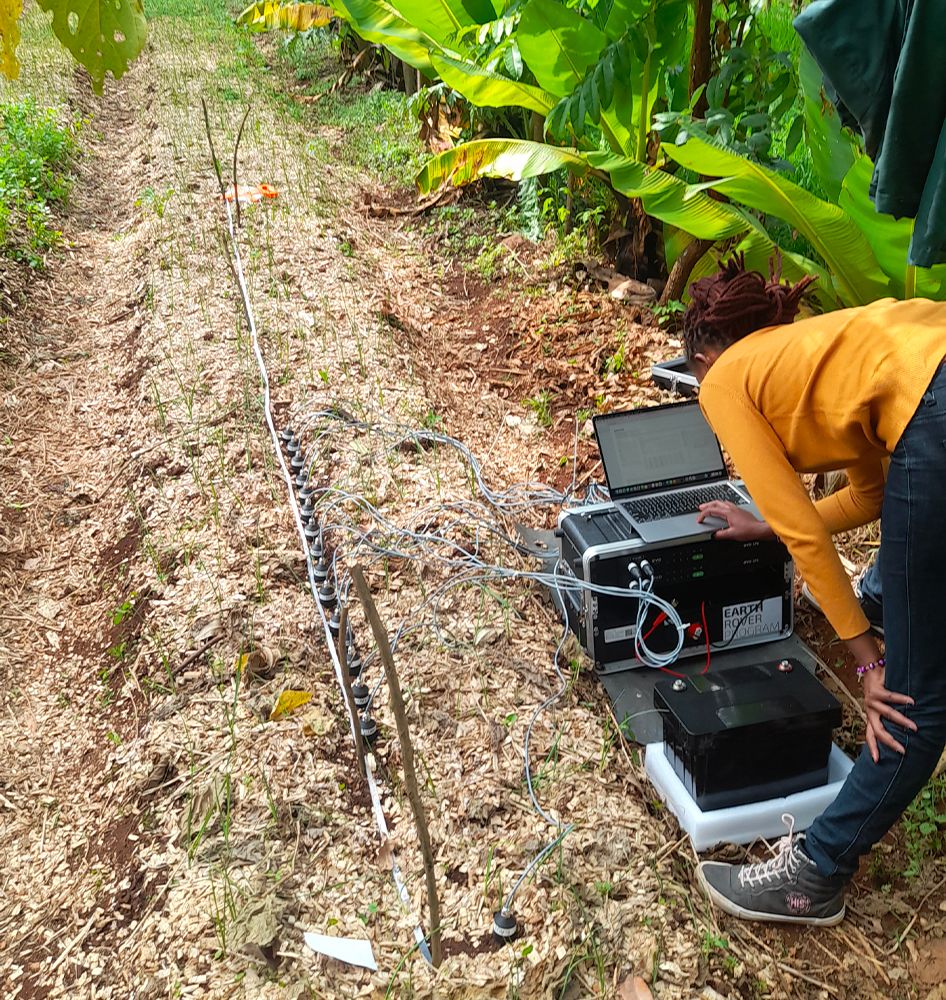
The Earth Rover Program's first Hub established outside the UK was in Kenya, where it partners with the Centre for Ecosystem Restoration Kenya
The Earth Rover Program's first Hub established outside the UK was in Kenya, where it partners with the Centre for Ecosystem Restoration Kenya
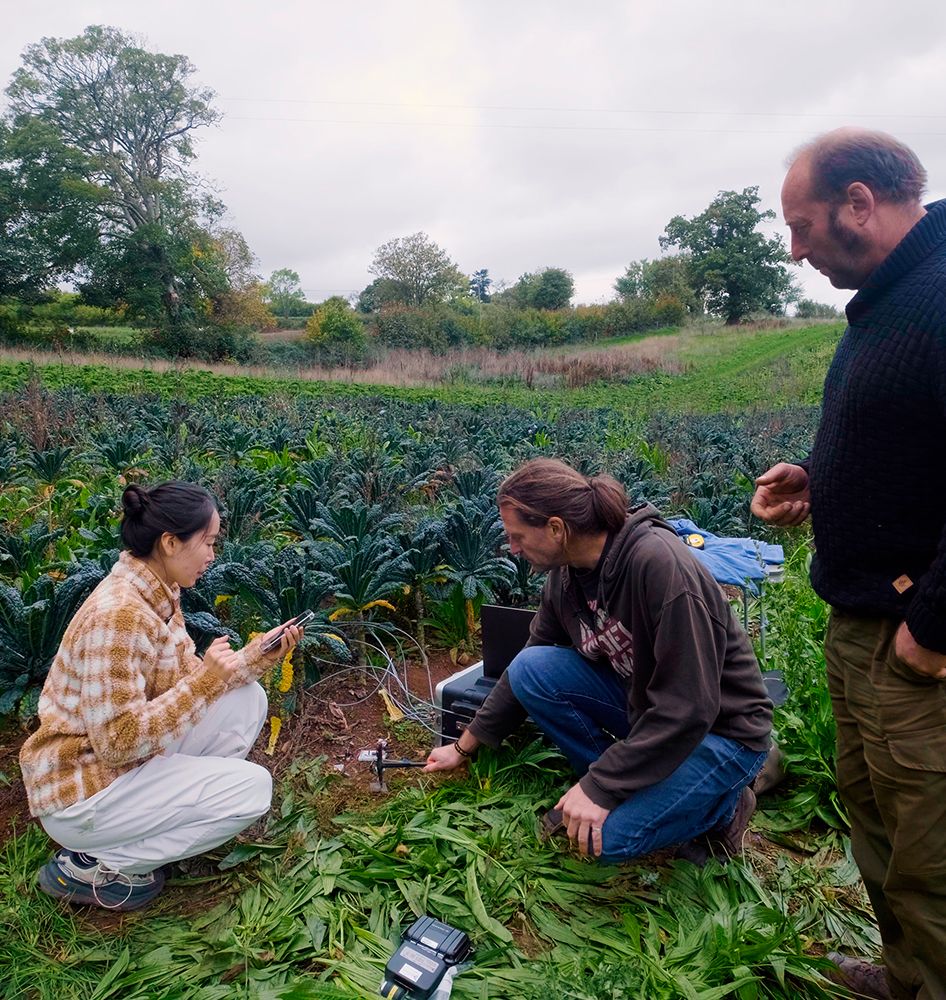
The Earth Rover Program's Devon Hub leads the initiative's development of sensors, seismology and AI in the UK
The Earth Rover Program's Devon Hub leads the initiative's development of sensors, seismology and AI in the UK
As you may imagine from an initiative which has grown from a book about sustainable food production and consumption, the Earth Rover Program specifically envisages its tools and methods will provide farmers with the information they need to make choices that will restore soil health, improve habitats and enhance natural environments — known as regenerative agriculture.
A core technique in regenerative agriculture is ‘direct drilling’, where instead of ploughing a field to prepare a seed bed, farmers plant seeds in the soil with minimal disturbance.
But, without testing soil health, farmers can’t know for sure if their fields are in a condition where direct drilling will be effective. As a result, currently many farmers experience years of reduced productivity when they begin regenerative farming, which is an obvious barrier to the growth of the movement.
“If you say to a farmer ‘there’s this great system for the environment, you’ve just got to take a financial hit for three to five years’, if they are feeling polite, they will just tell you to go away,” says Jeffery.
If the Earth Rover Program succeeds in making soilsmology universally affordable and accessible, it could go a long way to removing those barriers to regenerative farming.
The global impact of removing those barriers would be profound, emphasises Monbiot. “For too long, soil has been dark to us. The Earth Rover Program changes that,” he says.
“Equipped with a far richer knowledge of their own soil, its qualities, health and deficiencies, farmers can reduce environmental harm while sustaining or enhancing their yields. Then we can feed the world without devouring the planet.”
Photos courtesy of Earth Rover Program and iStock, unless otherwise specified.
Words by David Lyons. Design by Fanny Blanquier.

Help Pioneers Post understand its impact by answering this short survey:




This immersive feature was produced by Pioneers Post in partnership with Hogan Lovells and HL BaSE, the firm’s impact economy practice. The story is free to read thanks to the support of Hogan Lovells.
Get in touch if you'd like to tell your story.
J O I N T H E I M P A C T P I O N E E R S
SUPPORT OUR IMPACT JOURNALISM
As a social enterprise, we work hard to ensure our stories are as widely accessible as possible – that’s why all our stories are free to read for one week after publication.
After that, you’ll need to be a member to view them. Membership of Pioneers Post means unlimited access to thousands of interviews, news stories, features, expert insight and explainers, all focused on helping you to do good business, better.
It also means you’re helping to sustain our journalism. As a Pioneers Post reader, we know you value thoughtful and thorough reporting on the impact economy – but you also know that producing quality work doesn't come free. We rely on our members to sustain our journalism – so please consider investing in our mission.
 Built with Shorthand